


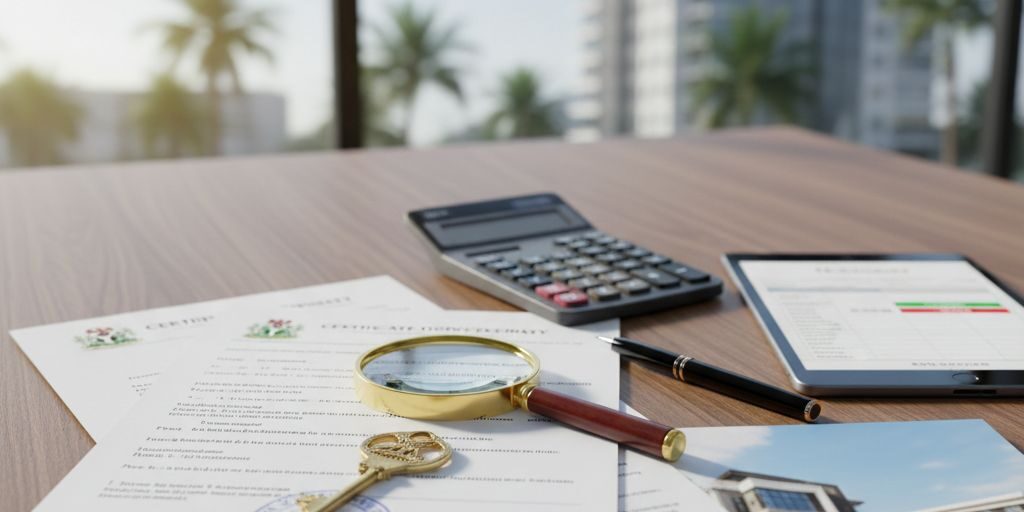
5 Things to Double Check Before Making the Final Payment for a Property in Nigeria
You’re days away from making the final payment for a property in Nigeria. The excitement of becoming a homeowner makes you want to rush through and hand over the money. But this is exactly when you need to slow down and verify everything one more time.
Tunde paid 45 million naira for a house in Ajah without doing proper final checks. Two weeks after moving in, people showed up with court documents claiming they owned the land. His lawyer found five things he never verified. The seller disappeared with his money, and Tunde is still fighting in court three years later.
Confirm the Title Documents Are Genuine and in the Seller’s Name
Many buyers assume title verification happens once at the beginning of the transaction. That’s a costly mistake. Things can change between your initial agreement and final payment.
Visit the Lagos State Land Registry yourself within 30 days before making the final payment for a property in Nigeria. Pay for a fresh search on the property, even if you did one earlier. This new search shows if any court cases, government acquisition notices, or family disputes have been filed against the property since your last check.
Verify that the seller’s name on the title documents matches their ID exactly. Even small spelling differences can indicate fraud. Check if the Certificate of Occupancy or Deed of Assignment shows any encumbrances or restrictions on the property.
Some sellers use fake documents that look real until you check at the registry. Others might have sold the same property to multiple buyers, hoping to collect money and run. Your own visit to the land registry protects you from both scenarios.
Bring your lawyer with you for this verification visit. They know what red flags to look for that you might miss. This single trip can save you from losing everything.
Walk Through the Property With Your Approved Building Plan
Developers sometimes build properties differently from the approved architectural plans. They might reduce room sizes, change window placements, or skip certain features to cut costs. These changes affect your property value and your ability to make future modifications legally.
Take your approved building plan and walk through every room in the property. Count the bedrooms and bathrooms. Measure the dimensions of major rooms if possible. Check if toilets, windows, doors, and electrical outlets match what the plan shows.
Look at the external features too. Verify the compound space, gate position, and any promised structures like boys’ quarters or external stores. Make sure the boundary fence matches the survey plan measurements.
If you find differences between the building and the approved plan, the developer needs to explain them before you make the final payment for a property in Nigeria. Some changes might need government approval to regularise. Others might indicate the developer cut corners on quality, too.
Take photos during this walkthrough. These pictures become evidence if disputes arise later about what was delivered versus what was promised.
Verify All Outstanding Payments and Debts Are Cleared
The property you’re buying might come with hidden debts that become your responsibility after purchase. Many buyers learn about these debts only when estate managers or utility companies start demanding payment from them.
Request written evidence that all service charges are paid to date. Estate dues, security levies, and development fees can add up to hundreds of thousands or millions of naira. Sellers sometimes skip these payments knowing they’re about to leave.
Check the status of utility bills for water, electricity, and waste management. Some areas use prepaid meters but others have postpaid systems where bills accumulate. You don’t want to inherit six months of unpaid electricity bills.
Confirm that property taxes and land use charges are current. The Lagos State government can place liens on properties with outstanding tax debts. This affects your ability to register the property in your name or sell it later.
Get official receipts for all these cleared payments. Verbal assurances from the seller mean nothing if bills show up after you’ve paid. Written proof protects you from surprise debts appearing months after you move in.
Collect All Original Documents Immediately After Payment
Some sellers try to delay handing over original documents after receiving the final payment. They give excuses about documents being with lawyers or banks. This delay puts you at serious risk.
Make document handover a condition of final payment for a property in Nigeria. The seller must provide all original documents on the same day you transfer the final payment. No documents means no payment.
The complete document package includes the original Certificate of Occupancy or Deed of Assignment, survey plan, approved building plan, tax clearance receipts, and proof of paid service charges. Don’t accept photocopies. Insist on originals that you can verify.
Your lawyer should be present during document handover to examine each document for authenticity. They’ll check for watermarks, official stamps, and registry markings that indicate genuine documents. Fake documents look real to untrained eyes but lawyers know what to look for.
Count every page of multi-page documents to ensure nothing is missing. Some fraudsters remove crucial pages from original documents, hoping you won’t notice until later. Check that all signatures and stamps are present and clear.
Never Make Payments in Cash for Property Purchase
Cash payments for property create problems when disputes arise. You have no clear evidence of what you paid, when you paid it, or who received the money. Sellers can easily claim they never got the full amount.
Use bank transfers only for all your payments for a property in Nigeria. Electronic transfers create permanent records that courts accept as evidence. They show the exact amount, date, time, and recipient account details.
Get an official receipt with the company letterhead and stamp immediately after the transfer. Handwritten receipts on plain paper hold little value in legal disputes. The receipt should state the full payment amount, property address, date, and purpose of payment.
Some sellers prefer cash because it’s harder to trace, and they can avoid certain obligations or taxes. Your job is protecting your investment, not making payment convenient for sellers. Insist on traceable payment methods even if the seller pushes for cash.
Keep all transfer receipts, bank statements, and payment confirmations in a safe place. These documents prove you paid the agreed amount if anyone questions your ownership later. They’re as important as the title documents themselves.
Protect Your Property Investment Today
Making the final payment for a property in Nigeria represents the biggest financial decision most people make in their lives. Taking a few extra days to verify these five things protects years of savings and planning.
The cost of proper verification is tiny compared to the cost of buying a property with problems. A lawyer’s fee for document verification is a few hundred thousand naira. A property surveyor’s inspection costs even less. These small investments now prevent losses of millions later.
Start your verification checklist two weeks before your planned final payment date. This gives you time to address any issues that come up without rushing or missing problems. Properties aren’t going anywhere; sellers can wait a few more days for their money if they’re legitimate.
Looking for properties backed by proper documentation and quality construction from the start? Explore available homes at Edenbrooks, where transparency and buyer protection come standard. Contact us today to schedule a property tour and see the difference proper development makes.
